
Tanks for oil are usually not considered by homeowners, but they are crucial to the safety and function of their residences. Property owners are responsible to ensure the proper maintenance and care of their heating system and oil storage container. Inattention to your obligations could create severe environmental and financial issues in the future.
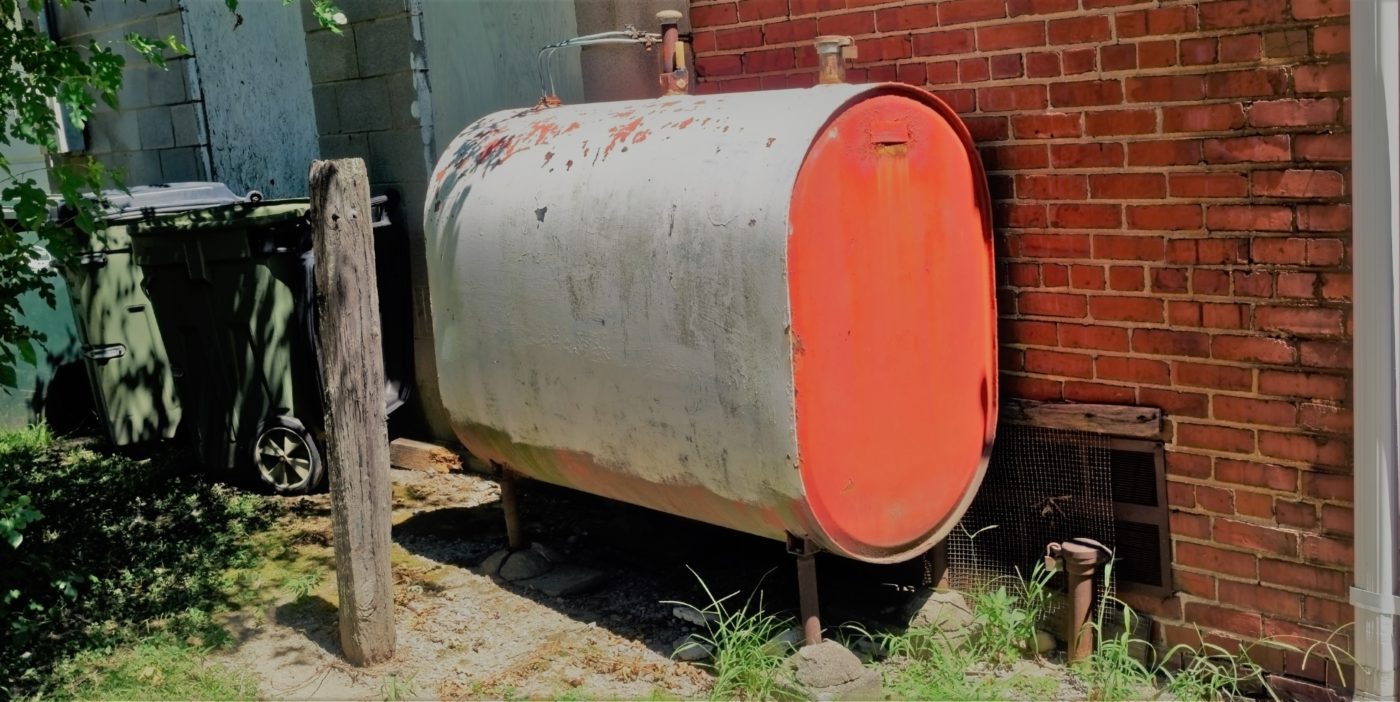
In the case of maintaining oil tanks, it’s essential to be aware of the best time to purchase to purchase a new tank. While regular maintenance is able to extend the life of an oil tank, eventually the tanks all need replacement. The cost of replacing an oil tank depends on many factors including the type and size of tank, the position, and how complicated the installation is.
The cost of replacing the oil tank for 275-gallon could range from $1500 to $3600, dependent on the factors discussed. This estimate may not include certain costs such as permit costs, labor and disposal of your old oil tank.
The expense of oil tank replacement can seem daunting, but it’s important to take into account the potential cost of not taking care to fix a damaged tank. Leaks from oil tanks can result in significant environmental damage and fines as well as legal liability. A damaged tank can lead to heat loss during the winter months, which can be dangerous and costly to repair.
It is crucial to maintain your oil tank regularly and to examine it regularly. This includes annual visual inspections, and regular cleaning and checking for leaks. If any issues are discovered it is important to fix the issues promptly to avoid costly repairs in the future.
You have a variety of choices to consider when you are replacing the oil tank. The most widely used kinds of tanks for oil are above-ground and below-ground tanks. Above-ground tanks can be more affordable, less difficult to set up, and visually intrusive. Above-ground tanks are generally less expensive and easier to install, but can be more visually unattractive.
For a safe, proper installation, choose a replacement for your oil tank with years of experience and an excellent reputation. An experienced installer can not only guarantee that the tank is set up correctly, but will be able to properly dispose of the old tank along with any dangerous materials used during the installation.
There are a variety of other things homeowners can do, in addition to proper installation and routine maintenance to extend the life of their tanks. These include:
1. Keep the tank filled: A full tank can prevent corrosion by the prevention of condensation.
2. Utilizing high-quality fuel: Using premium fuel can reduce formation of sediments in tanks which can cause corrosion and clogs in the fuel lines.
3. Maintaining the area around the tank clear The space around the tank free of vegetation and debris can aid in preventing damage to the tank as well as aid in maintenance and inspections.
4. Monitoring your pipes regularly for leaks can aid in identifying the problem early and prevent it from becoming costly.
Oil tank replacement is an important consideration for any property owner who has an oil-fired heating system. While the price can differ in relation to various factors, failing to take care of the need of replacement can cause significant environmental and financial harm. Regular inspections, maintenance and selecting a skilled and reputable installer can ensure the safety of your installation as well as reliable heating.
For more information, click oil tank replacement cost